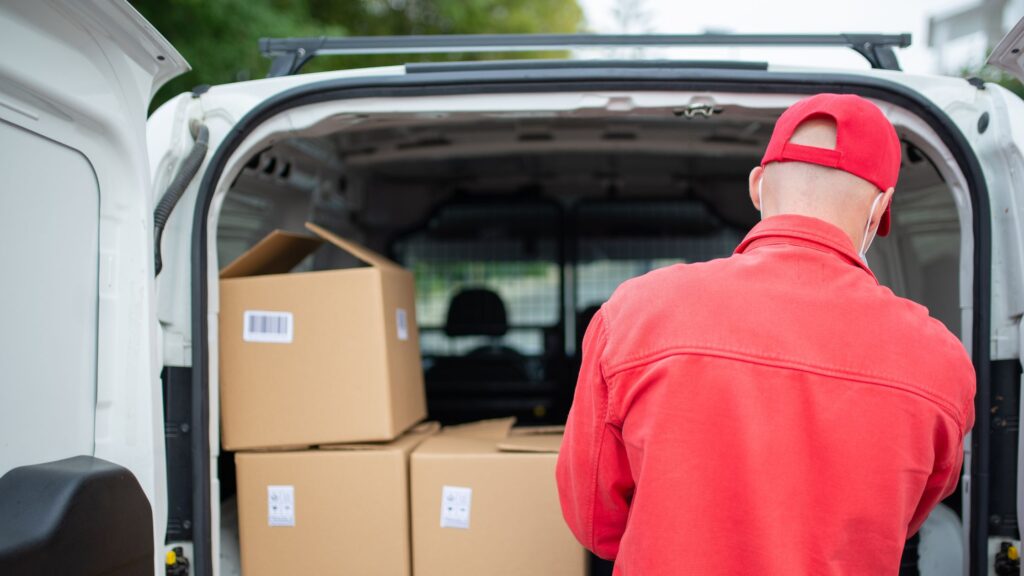
Presentation of the arrival of a sample at our laboratory
The arrival of a sample at the FILAB laboratory
Behind every analysis, there is a first step: receiving your samples.
Even before our experts get to work, a rigorous process begins as soon as your samples arrive at FILAB. Organization, traceability, security… Nothing is left to chance. In this article, we take you behind the scenes of this key step, which is often overlooked but essential to guaranteeing the reliability of our results and the responsiveness of our teams.
Receipt of your samples at the laboratory reception desk
At reception, we meet Marie-Ange Menecier, who joined Filab's Management department in January 2020 as a Secretary. Marie-Ange is responsible for receiving and registering samples from our customers. She describes her job as "diverse and dynamic, involving daily interaction with both internal teams (laboratory, business development, accounting) and customers."
The different stages of sample registration
The samples entrusted to us by our customers arrive at the Filab laboratory via private carrier. After checking that the packages are in good condition and accepting them, they are stored in the order review room where they are carefully unpacked.
We also have refrigerators for samples that need to be kept cool (it is important to clearly indicate this on the package or when preparing the quote).
Subsequently, the sample registration process meets the general requirements for the competence of calibration and testing laboratories set out in the ISO 17025 standard.
"The purpose of recording samples electronically is to assign them a unique case number so that they can be tracked throughout the analysis process until the report is issued," explains Marie-Ange.
During this computer recording process, our software generates a specific number for the order and a specific number for each sample. The sample identification labels include these two numbers as well as the nature of the sample, the customer references for the sample, and the analysis completion time.
Once registered, samples are labeled and stored by analysis department, ready to be handed over to technicians and pass through the doors separating the review room from our 5,200 m² laboratory.