Case study

Degradation and optimization of table tennis racket coatings

Our client commissioned the FILAB laboratory to study these phenomena and propose solutions.
Accueil Blog Degradation and optimization of table tennis racket coatings

Degradation and optimization of the durability of table tennis racket coatings

 First, it is important to provide some background information on the study. Intensive use of table tennis bats has revealed problems related to the durability of this equipment. Many players have noticed several issues: cracking of the surface of their blades, changes in tribological and adhesive properties, and the appearance of black marks on their surface. These alterations impair the performance of the rackets, which are crucial in high-level table tennis.

Our client commissioned FILAB, a laboratory specializing in material characterization and chemical analysis, to study these phenomena and propose solutions.

Summary

01
Analyses and Findings
02
Summary of results
03
Recommendations
04
Conclusion
01

Analyses and Findings

Second, what do the analyses show? Analyses carried out by the materials characterization laboratory revealed several key aspects of racket coating degradation. Here is a detailed overview of the findings from the various analytical techniques used:

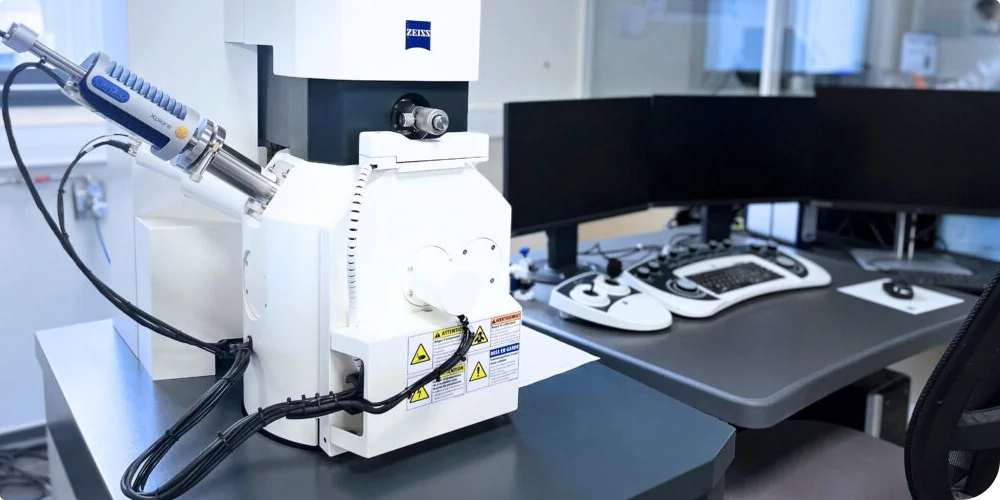
Scanning Electron Microscope (SEM):

The SEM provided high-resolution images of the elastomer plates. The images revealed an uneven topography with microcracks and cracks that appear to follow lines of mechanical stress or weakness in the material.

X-ray energy dispersive spectroscopy (EDX) analyses combined with SEM revealed an increase in oxygen concentration in the cracked areas, confirming the oxidation of the material.
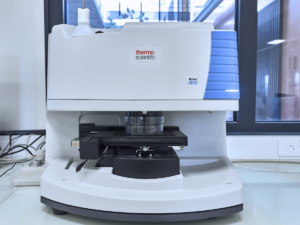
Fourier Transform Infrared Spectroscopy (FTIR):

FTIR was used to identify the chemical functional groups present on the surface of the rackets. The spectra showed the appearance of new absorption peaks corresponding to carbonyl groups, indicative of polymer oxidation.

The analysis also revealed changes in the chemical structure of the silicone, indicating degradation of this protective layer.
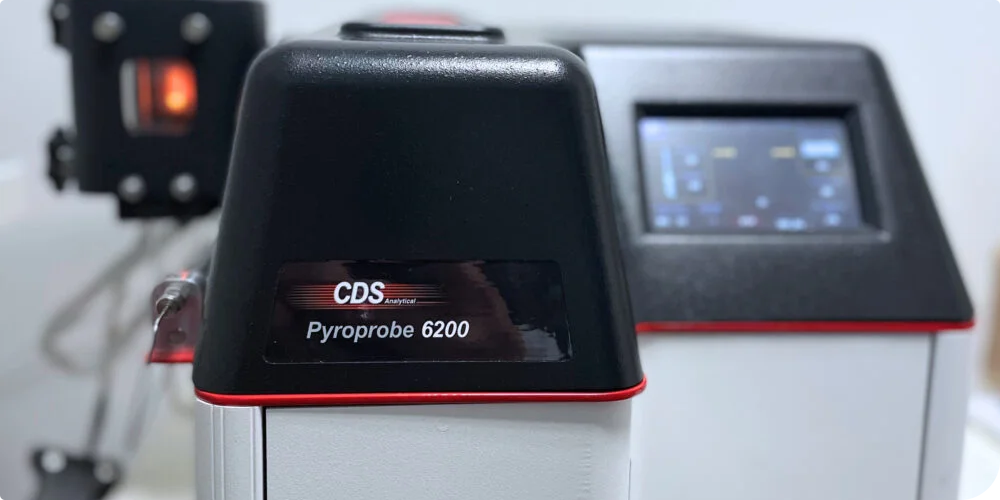
Pyrolysis coupled with Gas Chromatography and Mass Spectrometry (Py-GCMS):

This technique made it possible to identify the thermal decomposition products of the materials constituting the coatings. The presence of small molecular fragments indicated a breakdown of polymer chains due to oxidation and thermal aging.

Residues of organic pollutants were detected, suggesting that the black marks are partly composed of environmental contaminants that become embedded in the cracks.
Profilometry:

Roughness measurements showed a significant increase in surface roughness in cracked areas, affecting tribological properties (such as friction and adhesion) that are crucial for topspin and other effects of the small round ball.

Surface mapping correlated the extent of physical damage with areas of intensive use, confirming that repeated mechanical stress plays a role in the degradation process.

These analyses established a clear link between material oxidation, silicone layer degradation, and the conditions of use and maintenance of the coatings. Silicone accumulation due to inadequate maintenance and exposure to adverse environmental conditions accelerated the oxidation process and exacerbated material deterioration.

02

Synthèse des résultats

The combination of different analytical techniques provided a detailed understanding of the degradation mechanisms.

It was concluded that in order to extend the life of table tennis racket coatings, it is essential to control and optimize the manufacturing process and the material used, as well as maintenance practices after use. The implementation of this knowledge will be essential for improving the quality and performance of these coatings.

03

Recommendations

To extend the life of coatings and improve player performance, the FILAB laboratory recommends the following practices:

  • Improved cleaning: use a cleaning method that not only removes dirt but also prepares the surface, preventing the accumulation of oxidized layers.
  • Regular siliconization: regular application of a uniform layer of silicone to protect against oxidation. The process must be carried out evenly to create an effective barrier against interaction with oxygen.
  • Monitoring and adaptation: monitoring the evolution of the silicone layer through a regular evaluation program in order to adjust cleaning and siliconization practices according to specific needs.
04

Conclusion of the study

Finally, thanks to these recommendations (and others that cannot be disclosed at this stage of the competition 😊), FILAB has contributed to improving the lifespan of table tennis racket coatings...

We would like to take this opportunity to wish our French players (including Félix and Alexis Lebrun) the best of luck for the 2024 Paris Olympic Games!!

Need help? Contact our team

Other studies that may be of interest to you

Rouging phenomenon

With its excellent properties, stainless steel has become indispensable in many fields: everyday objects, medicine, surgery, automotive, aeronautics, mechanical industries, etc. However, many industrial stainless steel installations are affected by the phenomenon of rouging. Find out more

Case study: goniometry and comparison of surface tensions

One of our customers wanted to measure the contact angle and surface tension of their materials. Find out more

Material balance

A material balance is an essential process in materials science, chemistry, physics, and various industries. It involves analyzing and understanding the properties and behavior of materials. Find out more

Services associated with the case study

ATG-IRTF (FTIR) Coupling Analysis Laboratory

FTIR microscopy

FTIR

SEM EDX

PY-GC/MS

Laboratory specializing in analysis and expertise for industrial companies

More than 140 people
More than 140 people at your service
5200 m² laboratory
5200 m² laboratory + 99% of services are provided in-house
Accredited laboratory
Accredited laboratory COFRAC ISO 17025
+2200 clients
+2200 clients in France and abroad

Contact us

Our services are reserved for professionals.